Pilates stands out as a beacon of holistic wellness, illuminating the path toward a stronger core and enhanced flexibility. With its emphasis on controlled movements and mindful breathing, Pilates emerges as a versatile ally, seamlessly integrating with diverse exercise regimens. Whether you’re pounding the pavement in cardio sessions or sculpting muscles through strength training, Pilates serves as the cornerstone of a well-rounded fitness journey.
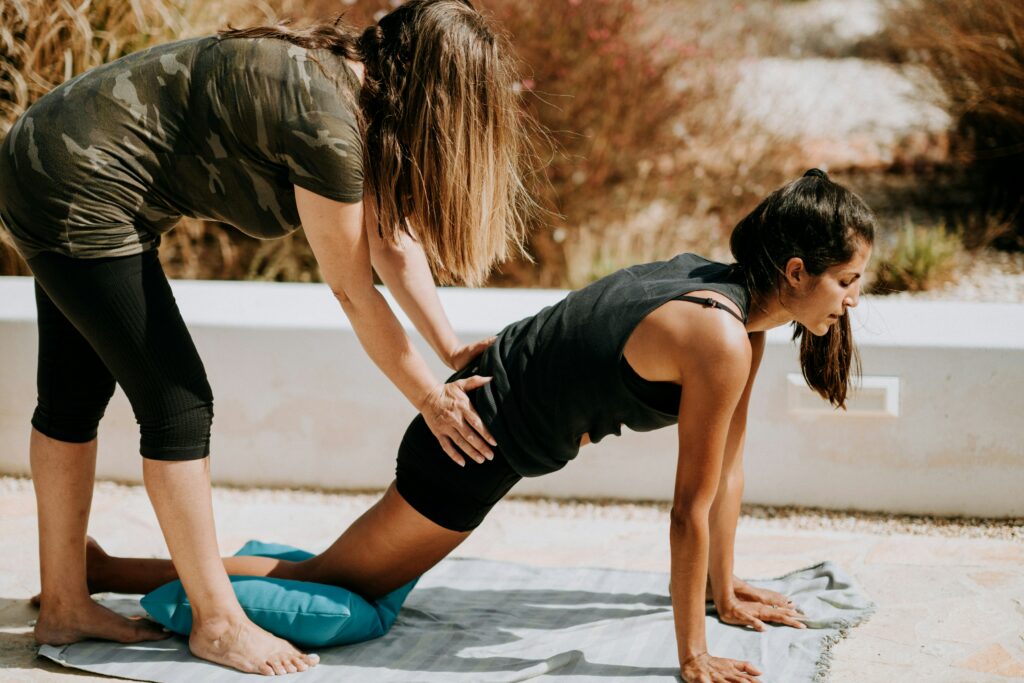
Under the guidance of sports physiotherapy professionals, Pilates transcends mere exercise to become a transformative experience. These specialised classes offer a gateway to fortified muscles, increased flexibility, and elevated vitality. Beyond the realm of fitness enthusiasts, they extend a helping hand to those seeking rehabilitation and injury prevention, fostering a nurturing environment for physical healing and resilience.
Synergy with Physiotherapy
Pilates targets the small muscles that make up your core, resulting in a tighter and more toned physique. It also works the muscles that run along your spine, which can help relieve back pain and stiffness. Pilates can even reduce dysmenorrhoea (painful menstrual periods) in women.
Unlike other forms of exercise, Pilates doesn’t require expensive equipment or extensive clothing. In addition, it’s safe for all ages and fitness levels and can be modified to suit your needs. However, it’s important to get a doctor’s okay before beginning any new exercise programme, including Pilates. If you have a medical condition or injury, your physiotherapist can help create a Pilates routine that aligns with your rehabilitation goals.
Research shows that Pilates can strengthen core muscles and enhance flexibility, promoting better balance and posture. It can also help lower the risk of future injuries.
Ultimately, Pilates can be an integral part of any holistic fitness routine. Its emphasis on core strength and flexibility is the perfect complement to any physiotherapy treatment. In addition, the Pilates community is welcoming and supportive, which makes it an excellent choice for those looking to improve their wellbeing and overall quality of life.
Diverse Pilates Classes Tailored to Your Levels and Health Goals
Pilates is a low-impact workout that is safe for people of all fitness levels. It builds core strength, flexibility, and balance. It can also help with weight loss and enhance sports performance. If you are concerned about the risk of injury, it is always best to speak with your doctor before beginning a new exercise routine.
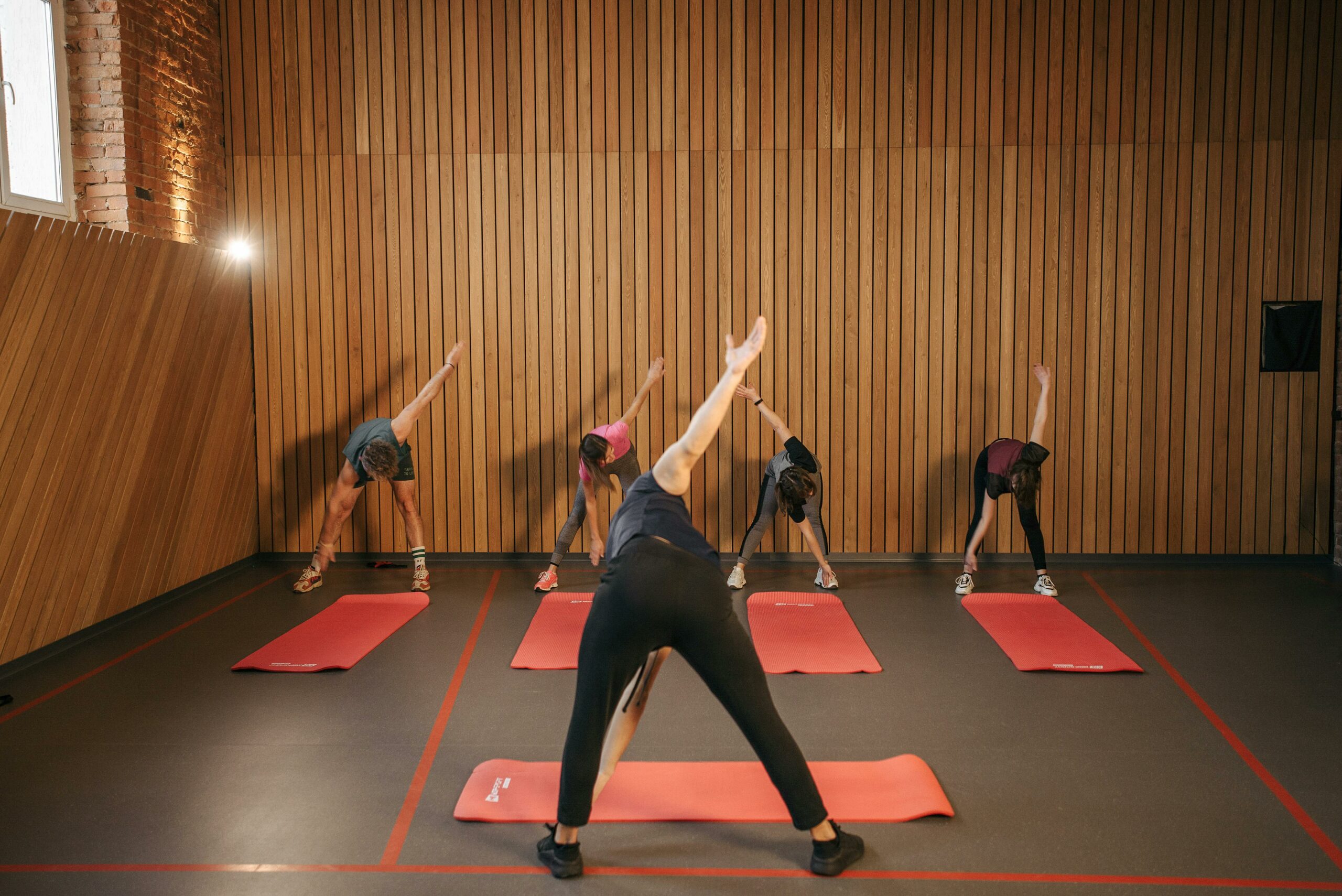
The Physio Studio, Adelaide is proud to offer a diverse range of Pilates classes led by experienced physiotherapists. Each class is designed to challenge the body while providing a rewarding experience for all participants. Each session includes an element of cardio, resistance training, and stretching to provide a full-body workout.
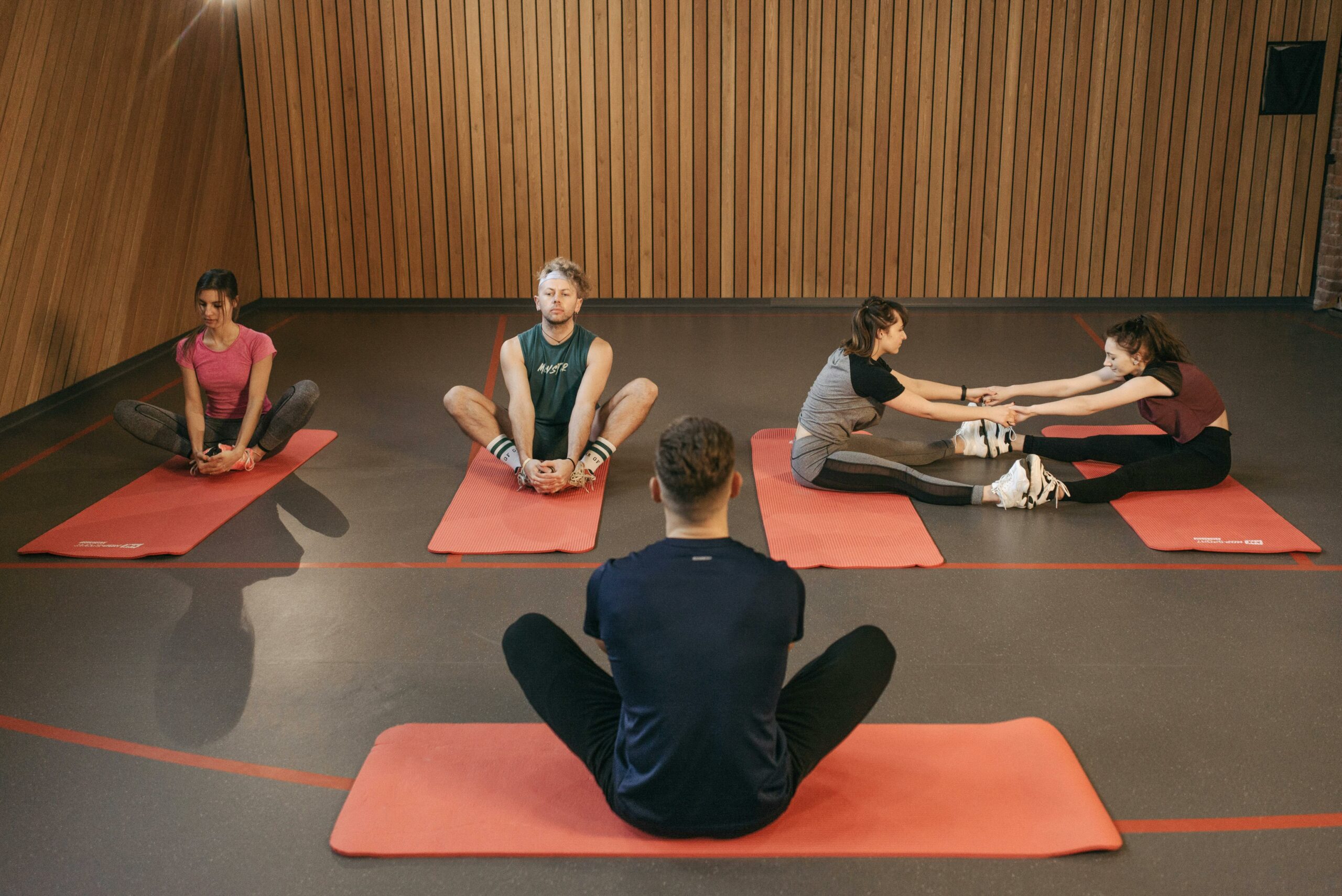
The physiotherapists offer both traditional mat Pilates and group reformer classes. Their small group classes allow experienced physiotherapists to interact with each participant, either to facilitate advancement or ensure the proper technique is being utilised. This allows them to create high energy classes that are motivating, challenging, and dynamic.
Clinical physiotherapy led Pilates is an excellent form of exercise for improving a number of health outcomes including muscle strength, mobility, balance, core stability, and breathing. The physiotherapists have extensive experience in leading Pilates classes for clients who are recovering from injuries, rehabilitating from surgery and those looking to improve their fitness and wellbeing.
Expert Tips on Integrating Pilates into Your Fitness Routine
Whether you’re a fitness beginner or a seasoned athlete, Pilates can be an effective supplement to your existing workout regimen. Sports physio Adelaide is not just great for rehabilitating and preventing injuries, but it can also help you reach your full potential by strengthening all major muscle groups and improving flexibility and balance.
One of the most important principles of Pilates is centering, which involves engaging the core muscles (known as the powerhouse) to create a strong foundation for movements and improve stability and posture. This principle can be applied to any type of exercise, from weight training to cardio.
Another principle of Pilates is breathwork, which helps oxygenate the muscles and aids in movement. Practicing proper breathing techniques can reduce anxiety, stress, and enhance focus and concentration. In addition, it can improve sleep quality and lengthen REM cycles, which will allow you to rest better and get more done throughout the day.
Adding Pilates to your regular workout can be as simple as adding a short session 2-3 times per week or using it as active rest between other types of strength training and cardio. Consistency is key, so find a schedule and a class that works for you. If you’re starting from scratch, a certified instructor can help you create a plan that fits your lifestyle and goals.
Success Stories to Inspire You
As a fitness method, Pilates has a profound effect on the body and mind. The emphasis on precise movements and breath control cultivates a deep sense of body awareness that enhances mindfulness and fosters a deeper mind-body synergy, making it ideal for anyone looking to achieve a healthier lifestyle.
Whether you’re a fitness novice or an experienced athlete, incorporating Pilates into your workouts can help you take your physique to new heights. By integrating the fundamental Pilates Reformer exercises into your routine, you’ll strengthen and tone your core, sculpt your arms and shoulders, and build strength in your legs and glutes.
For an added challenge, try incorporating high-intensity interval training on the Reformer to torch calories and build lean muscle mass. HIIT workouts alternate between short bursts of intense exercise with brief recovery periods. These alternating periods can boost your metabolism and increase cardiovascular endurance, making them perfect for adding to your Pilates regimen.
The instructors at The Physio Studio are proud to offer expert guidance for clients of all levels on their Pilates journey. From developing a personalised Pilates program to assisting with injury rehabilitation, they’re committed to helping you achieve your health goals.
Pilates stands as a beacon of holistic fitness, offering a pathway to strength, flexibility, and vitality under the expert guidance of sports physiotherapy professionals. Whether you’re embarking on a journey of rehabilitation, injury prevention, or simply seeking to enhance your overall well-being, Pilates holds the key to unlocking your full potential. Embrace the transformative power of Pilates today and embark on a journey toward a healthier, happier you.